
How To Choose The Right Industrial Fan For My Needs?
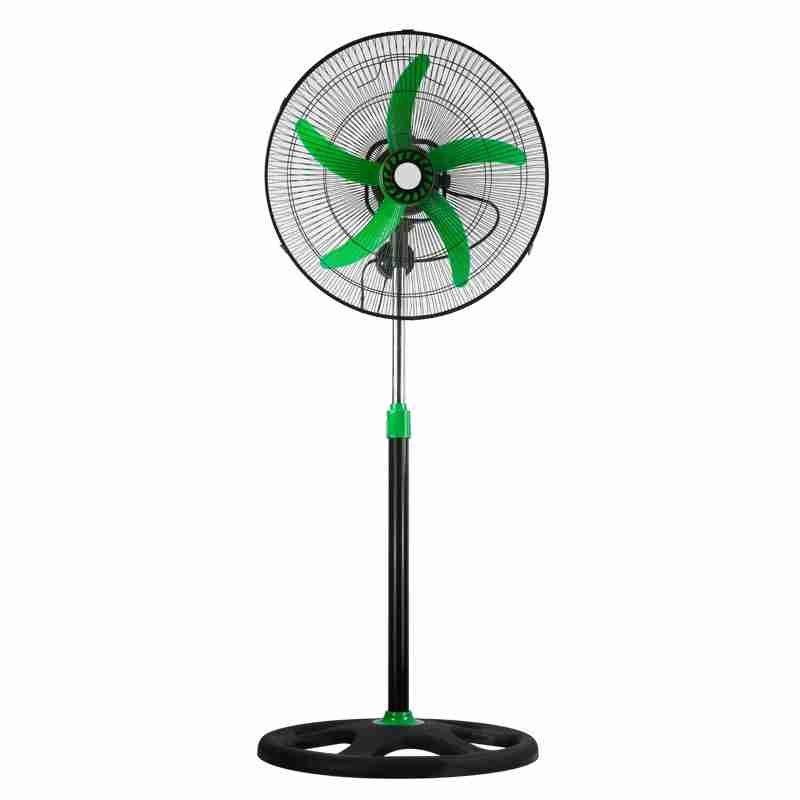
Selecting the right industrial fan is essential for ensuring effective air circulation, temperature control, and overall comfort in various settings such as warehouses, factories, and commercial spaces. This comprehensive guide will help you navigate the key considerations for choosing an industrial fan that meets your specific needs.
Understanding Industrial Fans
Industrial fans come in various types, each designed for specific applications:
Axial Fans: These fans move air parallel to their axis and are commonly used for ventilation and cooling. They are suitable for applications requiring high airflow at low pressure.
Centrifugal Fans: Moving air perpendicular to their axis, centrifugal fans are ideal for applications needing high pressure and moderate airflow, such as dust collection and exhaust systems.
High-Volume Low-Speed (HVLS) Fans: Designed to move large volumes of air at low speeds, HVLS fans are effective in large spaces like warehouses and gyms, helping reduce energy costs by improving HVAC efficiency.
Key Factors to Consider
Space Requirements
When selecting an industrial fan, it’s crucial to assess the size of the area where it will be installed. Measure the dimensions of the space and consider the ceiling height. Larger areas may require multiple fans or larger models to ensure adequate airflow. For high ceilings, HVLS fans can be particularly effective.
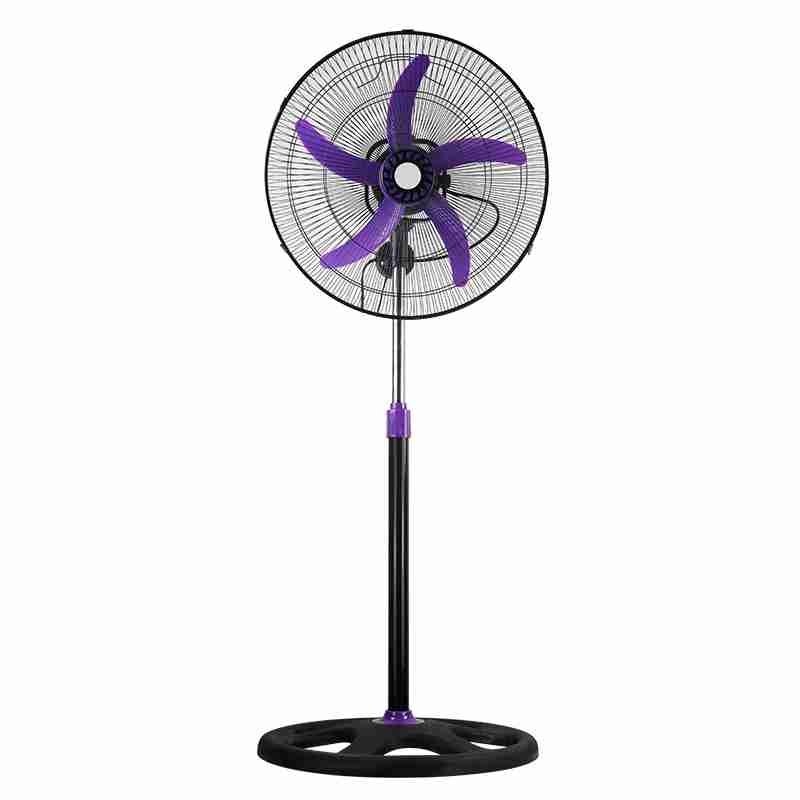
Airflow Needs
Understanding your airflow requirements is vital. Look for the fan’s CFM (Cubic Feet per Minute) rating, which indicates how much air a fan can move in a minute. Higher CFM ratings are necessary for larger spaces or specific industrial applications. Additionally, consider how many times you need to replace the air in a room each hour (Air Changes per Hour or ACH) to help determine the appropriate fan size and type.
Efficiency and Design
The design of the fan significantly impacts its performance. Look for fans with tapered blades that optimize airflow while reducing energy consumption. The efficiency of the motor is also important; selecting energy-efficient motors can lead to substantial savings on electricity bills over time.
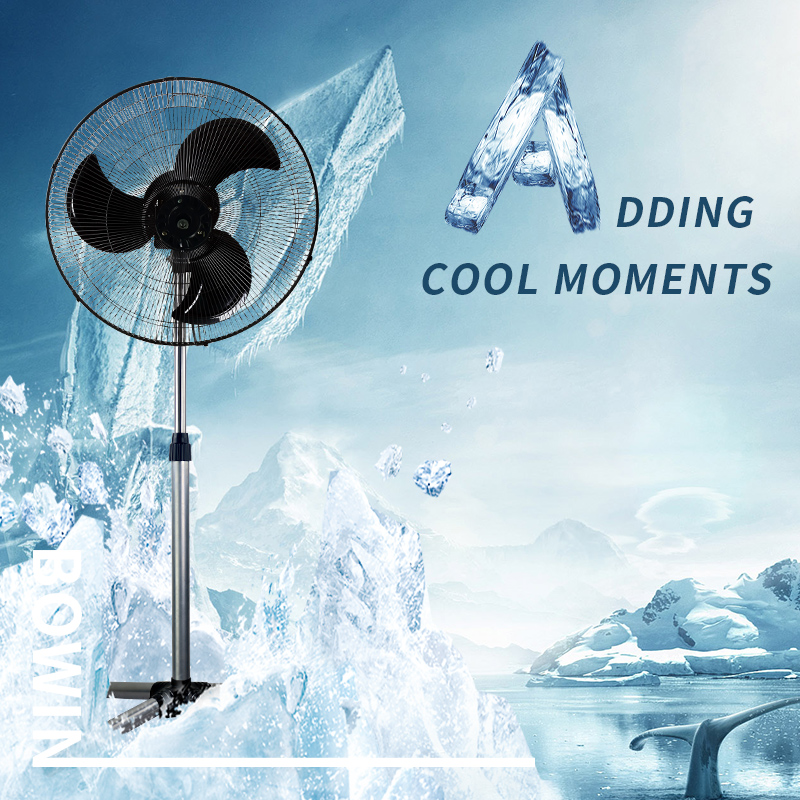
Noise Levels and Safety Features
Assess the noise levels associated with different fans, especially in environments where noise reduction is essential. Additionally, ensure that the fan has secure mounting options to prevent accidents and verify compliance with local safety standards and regulations.
Installation Considerations
Engaging with a professional can provide valuable insights into your specific needs based on facility layout and existing HVAC systems. Proper placement of fans is critical; position them where they can effectively circulate air without obstructions, avoiding locations near walls or barriers that could impede airflow. For HVLS fans, ensure proper drop height for optimal performance while adhering to safety standards.
Maintenance for Longevity
Regular inspections are essential to ensure all components function correctly. Look for signs of wear or damage that may affect performance. Additionally, establish a cleaning schedule to remove dust and debris from fan blades and motors, which can reduce efficiency over time.
Conclusion
Choosing the right industrial fan involves careful consideration of factors such as space requirements, airflow needs, design efficiency, noise levels, safety features, installation strategies, and maintenance protocols. By understanding these elements, businesses can select a fan that meets their operational needs while enhancing overall productivity and comfort in their facilities. Engaging with professionals during this process can further ensure that the chosen solution is tailored specifically to your environment’s unique challenges and requirements.



发表评论
Want to join the discussion?Feel free to contribute!