
How Many Blades Are Best For A Ceiling Fan?
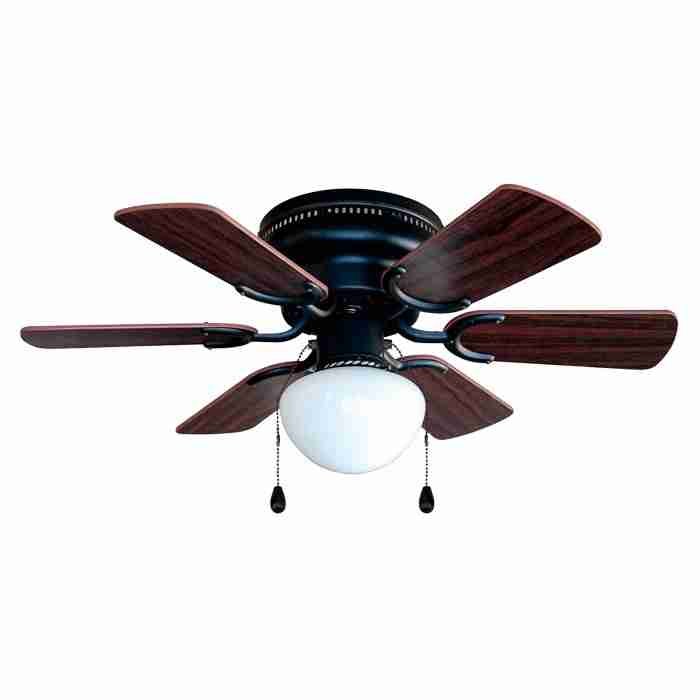
When selecting a ceiling fan, one of the most critical factors to consider is the number of blades. The number of blades can significantly influence the fan’s performance, noise level, and overall aesthetic appeal. This article explores the optimal number of blades for ceiling fans, examining the advantages and disadvantages of various configurations.
The Basics of Ceiling Fan Blades
Ceiling fans typically come with three, four, or five blades. Each configuration has distinct characteristics that affect air circulation and noise levels:
Three Blades: Known for their efficiency and modern design, three-blade fans are often lighter and require less energy to operate. However, they may produce more noise due to higher rotational speeds.
Four Blades: These fans strike a balance between performance and aesthetics. They are generally quieter than three-blade fans and can effectively circulate air in medium-sized rooms.
Five Blades: Fans with five blades tend to be the quietest option and provide a steady airflow. They are often preferred for residential settings due to their aesthetic appeal and performance.
Factors Influencing Blade Selection
Airflow Efficiency
Several factors, including blade pitch, size, and motor power, influence the airflow a ceiling fan produces. While more blades can help distribute air more evenly, they can also create additional drag on the motor.
Blade Pitch: The angle at which the blades are set can significantly affect airflow. A higher pitch usually means better airflow but may require a more powerful motor.
Blade Size: Larger blades can move more air but may also require more energy to operate efficiently.
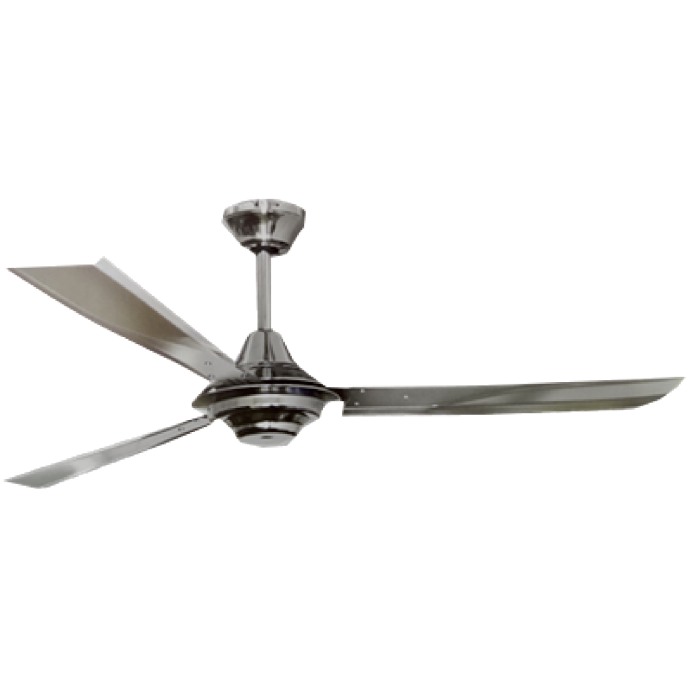
Decorative Indoor Ceiling Fans
Noise Levels
Noise is another important consideration when selecting a ceiling fan. Generally, fans with more blades tend to operate more quietly. This is because additional blades help balance the fan’s operation and reduce turbulence.
Three-Blade Fans: Often noisier due to higher speeds but can be suitable for industrial or outdoor settings where noise is less of a concern.
Five-Blade Fans: Typically quieter and better suited for residential environments where minimizing noise levels is essential.
Aesthetic Appeal
The visual design of a ceiling fan can also influence your choice. More blades can create a fuller appearance, while fewer blades may lend a sleek, modern look.
Three-Blade Designs: Often considered contemporary and stylish.
Five-Blade Designs: Provide a classic look that fits well in traditional settings.
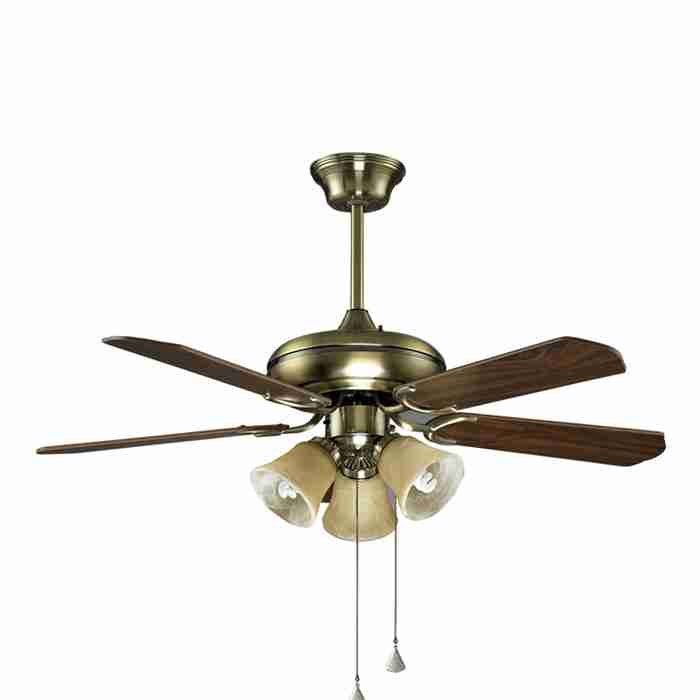
Performance Comparisons
Practical Applications
Ideal Situations for Three-Blade Fans
Three-blade fans are ideal for:
Large Spaces: Their high airflow efficiency makes them suitable for larger rooms or outdoor areas.
Industrial Settings: The noise level is less of a concern in these environments.
Ideal Situations for Four-Blade Fans
Four-blade fans work well in:
Medium-Sized Rooms: They effectively circulate air without being overly noisy.
Rooms with Air Conditioning: They help distribute cool air more evenly.
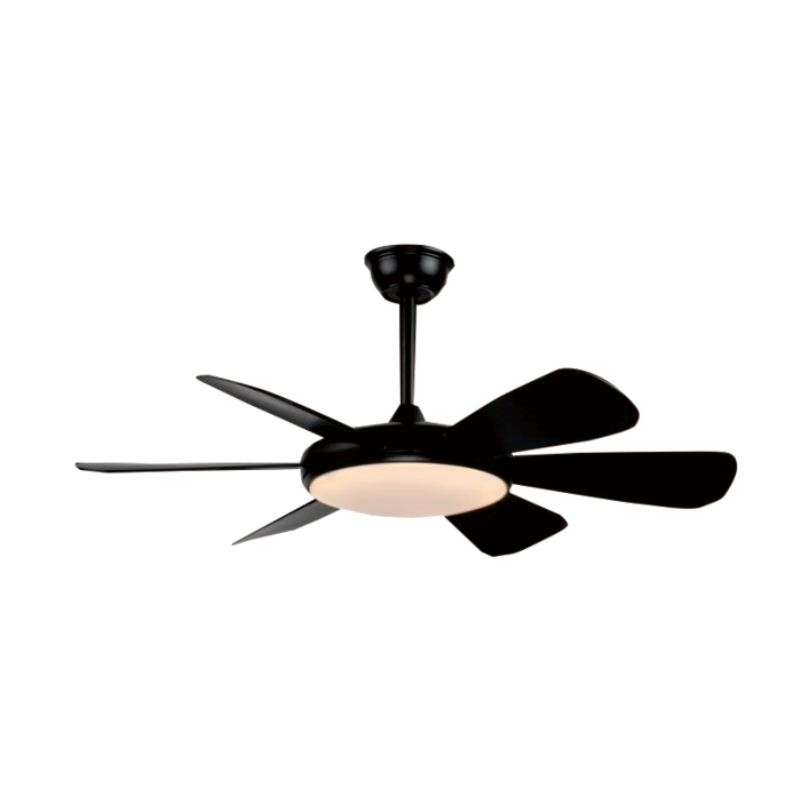
Ideal Situations for Five-Blade Fans
Five-blade fans are perfect for:
Residential Use: Their quiet operation makes them ideal for bedrooms and living rooms.
Aesthetic Preferences: They offer a classic look that complements traditional décor.
Conclusion
When selecting a ceiling fan, the number of blades plays a pivotal role in determining its performance, noise level, and aesthetic appeal. While three-blade fans offer high efficiency and modern design, four-blade options provide a balanced approach suitable for various room sizes. Five-blade fans excel in quiet operation and classic aesthetics, making them popular choices for residential settings.Ultimately, the best choice depends on individual preferences regarding airflow needs, noise tolerance, and design aesthetics. By understanding these factors, you can make an informed decision that enhances your home’s comfort and style.



发表评论
Want to join the discussion?Feel free to contribute!